
Ghosting Techniques in Canyoneering: an Introduction

Ghosting is the art of descending a canyon and leaving nothing behind. Ghosting techniques are used in selected places where leaving no visible anchors has a benefit.
Examples:
Anchor areas that are visible to the general public (eg: First rap in Cassidy Arch Canyon in Capitol Reef NP);
Descents of rarely-done canyons, where leaving the canyon without visible signs of descent means other canyoneers can also do a first descent of the canyon;
In places, ghosting techniques can be used to minimize rope-grooves or other environmental damage;
On first descents, ghosting techniques can be used to minimize the use of valuable anchor-building materials;
Ghosting techniques allow using anchors that could not be used conventionally; and
In places, since the rope is not pulled through a ring, ropes can be tied together to get to the bottom of "the drop".
Ghosting techniques should not be used to replace anchors in trade-route canyons, justifying removal of anchor slings already in place. Trade-route canyons SHOULD have well-rigged and conspicuous anchors for the noobs that are sure to follow.
Ghosting techniques generally are 'advanced', meaning that using them requires greater judgment and experience than 'beginner techniques', they need to be tried and used and figured out in 'safe' conditions, before they are tried in the field when they are needed for group safety. Extra precautions are taken to backup and test these kinds of anchors before the last person's life is risked on its security. AND, the anchor has to pass the sniff test.
The sniff test is a final check. The rational part of your brain says everything is right, everything makes sense. If the irrational part of your brain still doesn't like it (if it smells like poo), get off it. Do something else.
Because these advanced techniques require significant testing before the final rappeller, these techniques are often best done with fairly large groups, and without an urgent drive to get people downcanyon quickly. Chaos is not the anchor-setters friend—chaos is a distraction.
Ghosting should not be taken to a religious extent. We often leave small bits of sling in places, where a pure ghosting descent is not entirely safe. It should be considered that getting the rope stuck is perhaps life-threatening, especially if you have most of your ropes committed to the drop. Recklessly applying ghosting is a bad idea. But, many ghosting techniques can be used to minimize the amount of webbing left behind, when a pure technique would risk getting the rope stuck more than is appropriate.
Here are some Ghosting Techniques:

Obsolete: Omnisling, Macrame (and many others)
Retrievable Slings
Intelligent downclimbing
Shallow water jumps
Slide and catch
GALLERY


Gear to get you started
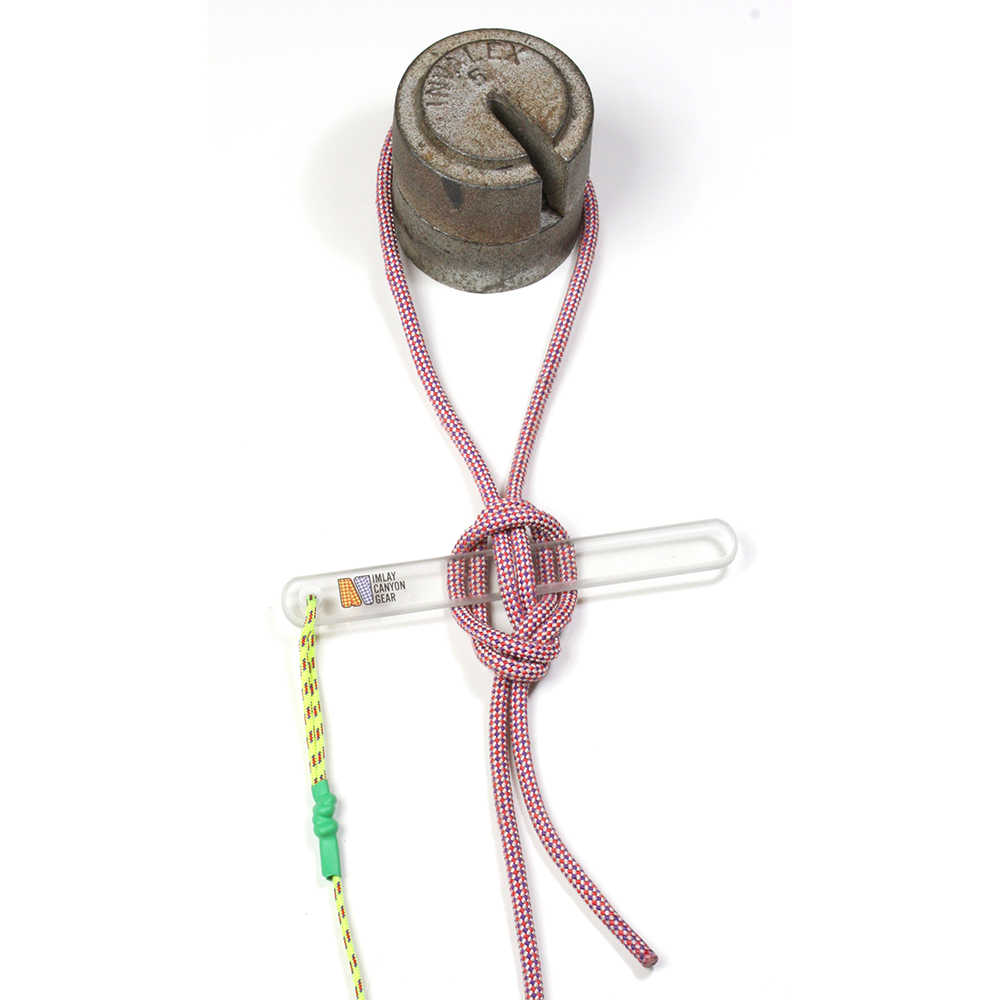
The FiddleStick is an advanced canyoneering anchor tool. It is a new approach to retrievable anchoring, opening up a wider range of possible anchors, and making it possible to descend more canyons and leave nothing behind (aka “ghosting”). As an ADVANCED anchor tool, it requires skill, practice and understanding to use safely. Even when used properly, it has the possibility of failing, resulting in severe injury or death, or being stranded in a canyon with your ropes hopelessly stuck.
I WAS selling both my FiddleStick and BluuGnome’s Smooth Operator, but now the Smoothie can only be ordered directly from Luke at BG-Gear.com
Both are generally used with an Amsteel pull string that pairs (threesomes?) with the SECO-050 rope bag.
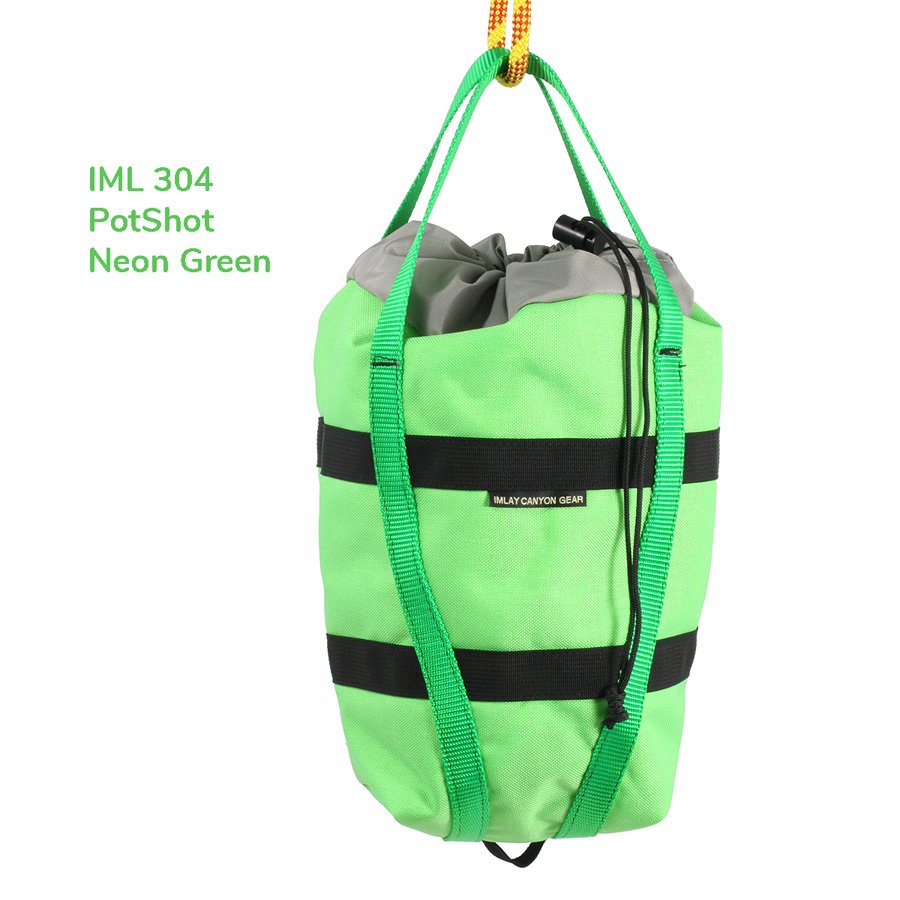
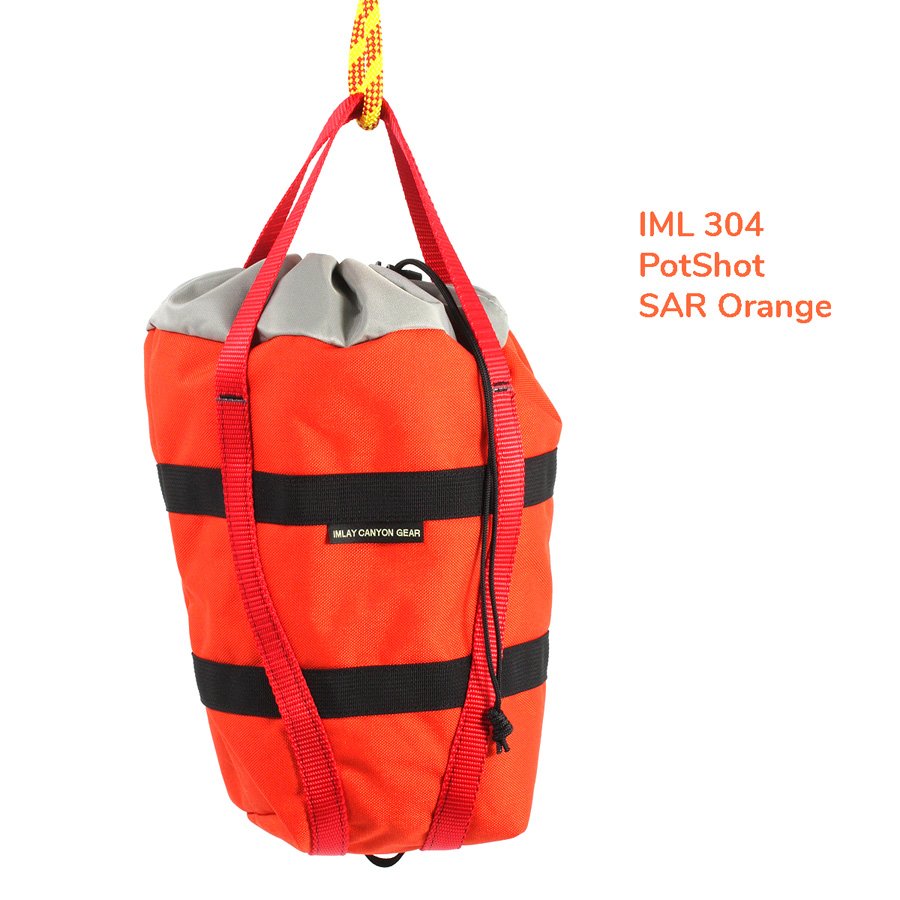
Imlay Canyon Gear PotShots can save enormous wear and tear on your partner's pack. Rather than tossing that large, awkward, expensive and fragile pack, put some sand in a PotShot, tie a rope to it, and toss it past the interesting obstacle ahead.
In many cases, it takes 2 PotShots to get out of a pothole; in some cases it can take 3 or more… the most we have heard about is 5. So far.
The PotShot makes a great storage bag for a SandTrap, and is useful for bringing sand to the SandTrap when necessary. If landing with too much energy, the PotShot seams can blow out, though we have made them much stronger than the original version, and this seems to have solved that problem. But still…

BD Alpine Aiders are a handy addition to the pothole escape kit, working well for hooking and for other methods. They can also be the best way to assist others out of a pothole. They are light and compact - much more so than "real" etriers. A lot less expensive, too. The side-to-side style of aider works better than the ladder style for pothole escapes, as a single aider can be used for both feet on non-overhanging terrain, unlike the ladder style.
And like many pieces of gear I like, it has been discontinued by Black Diamond as of S25.
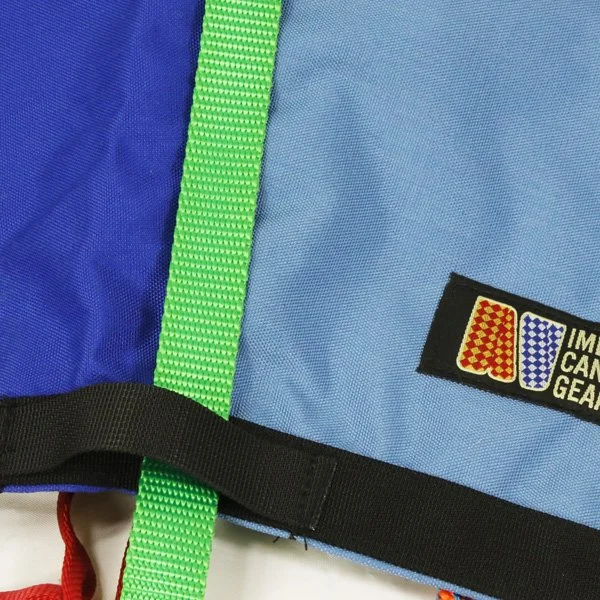
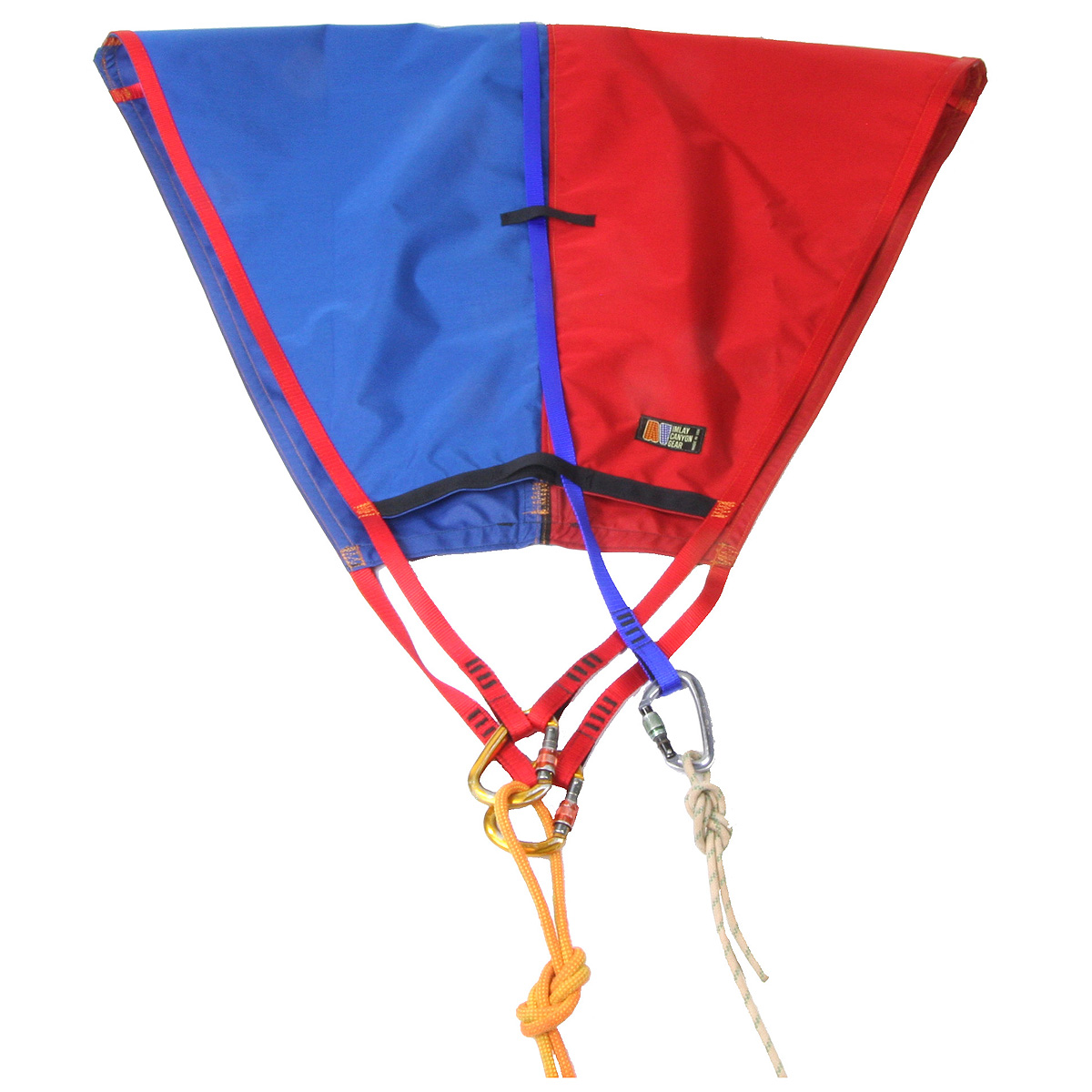
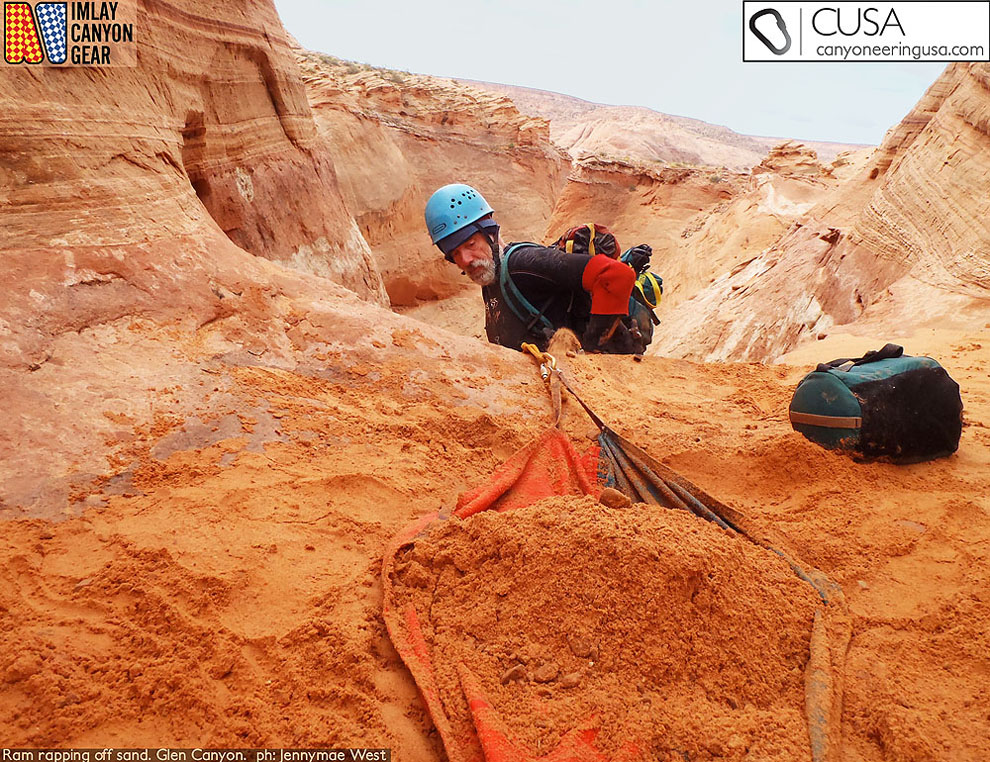
The SandTrap, invented by Steve Woodford of Springdale Utah, is an interesting device for creating a retrievable anchor any time you have sand available.
Fill it with sand, then rap off it. Pull the retrieval line to spill the sand and retrieve the Trap, leaving nothing behind other than displaced sand. Ingenious! The only problem that I see with it is that I didn't invent it!!!
9/16/2026: our rather dull Quicksand color is replaced with the new Quicksand color which is richer, more interesting, and kinda coppery. But we still call it Quicksand. Maybe Quicksand with some algae growing in it.