Imlay FiddleStick
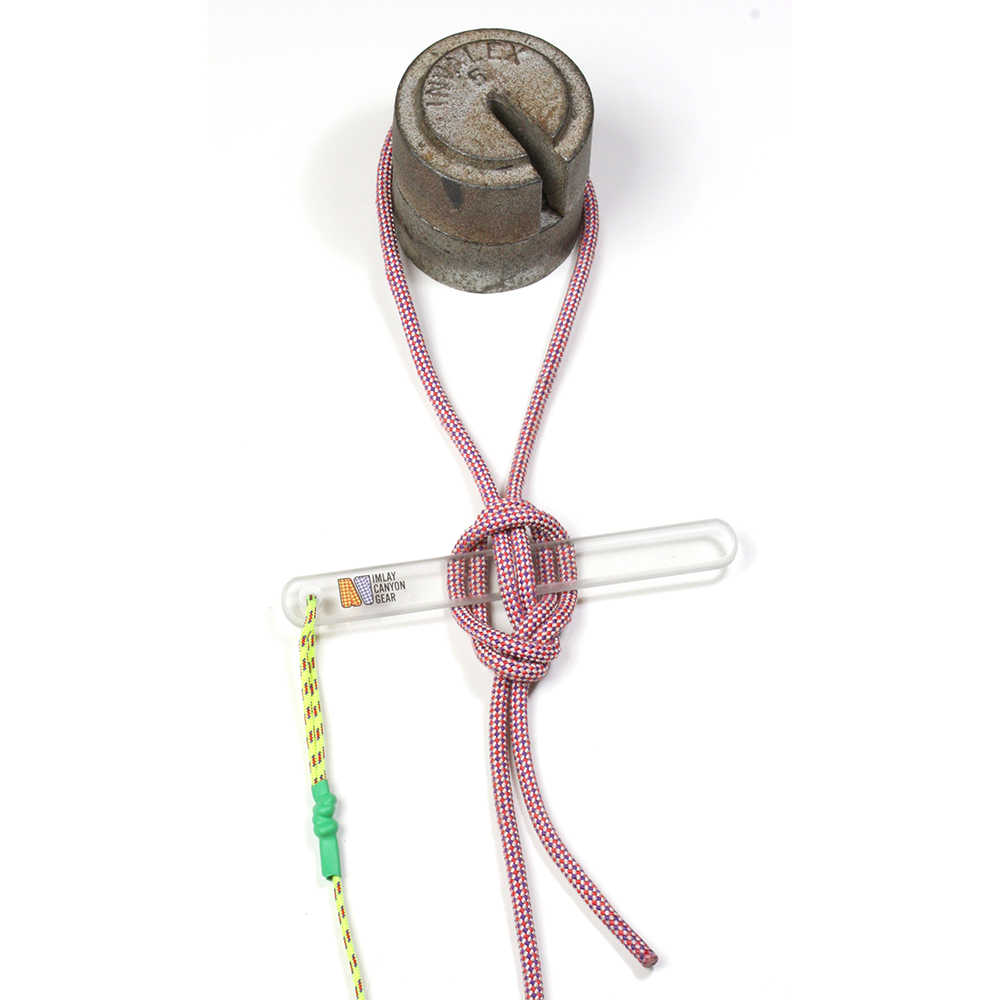
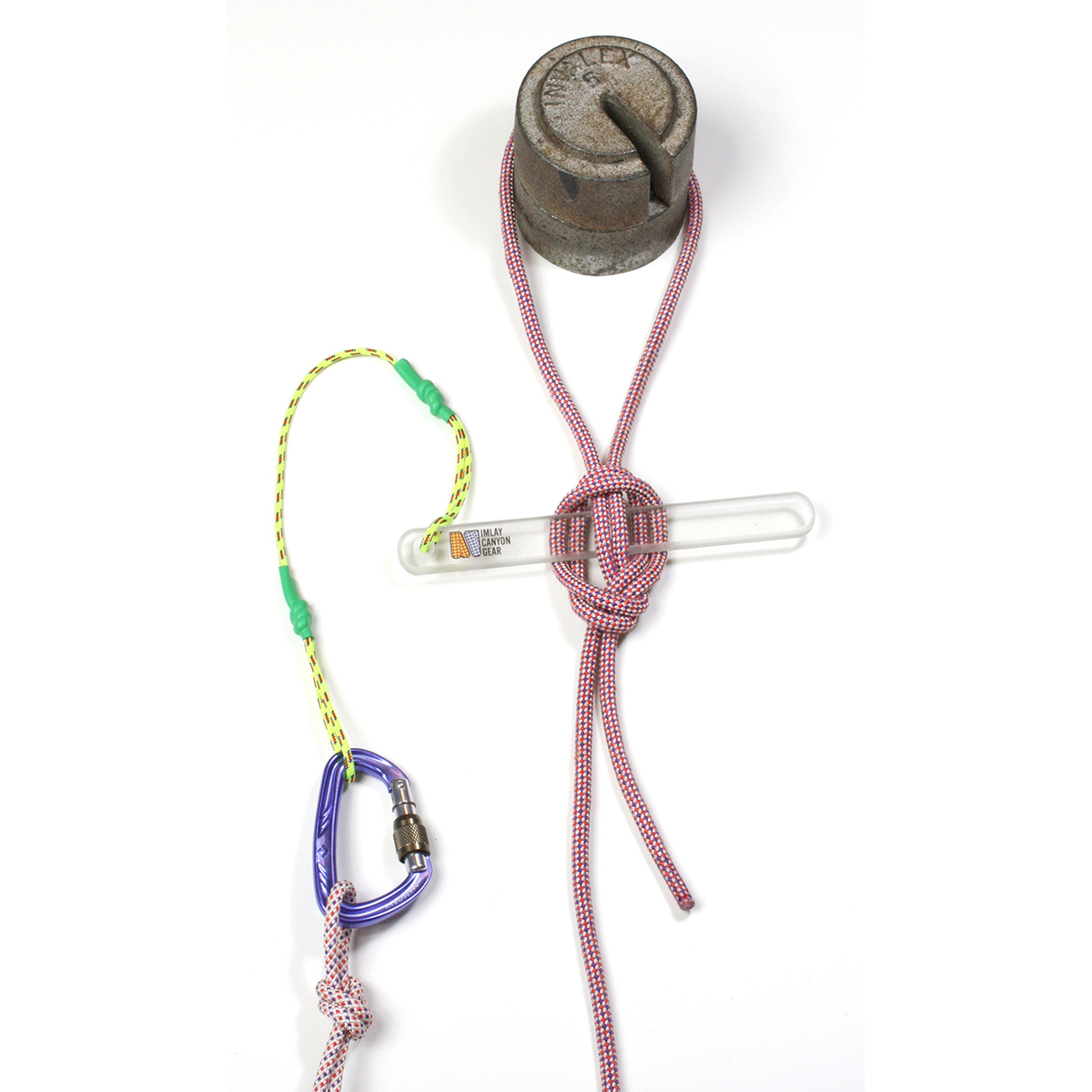
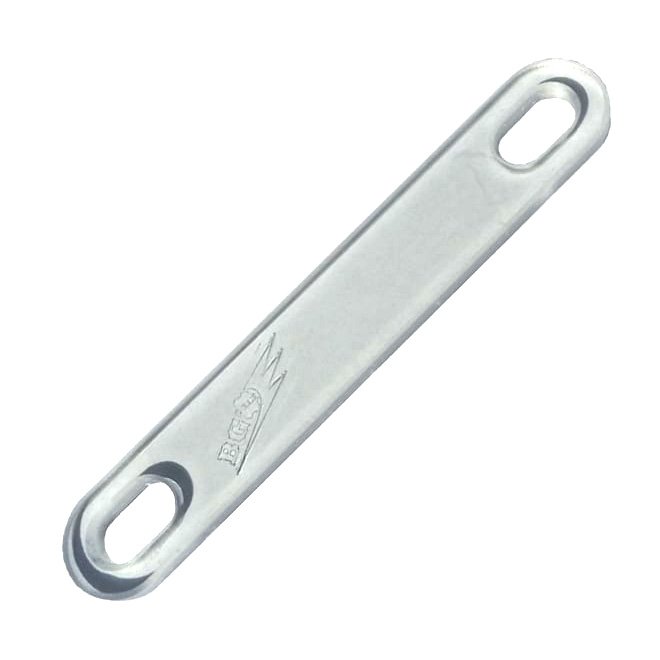
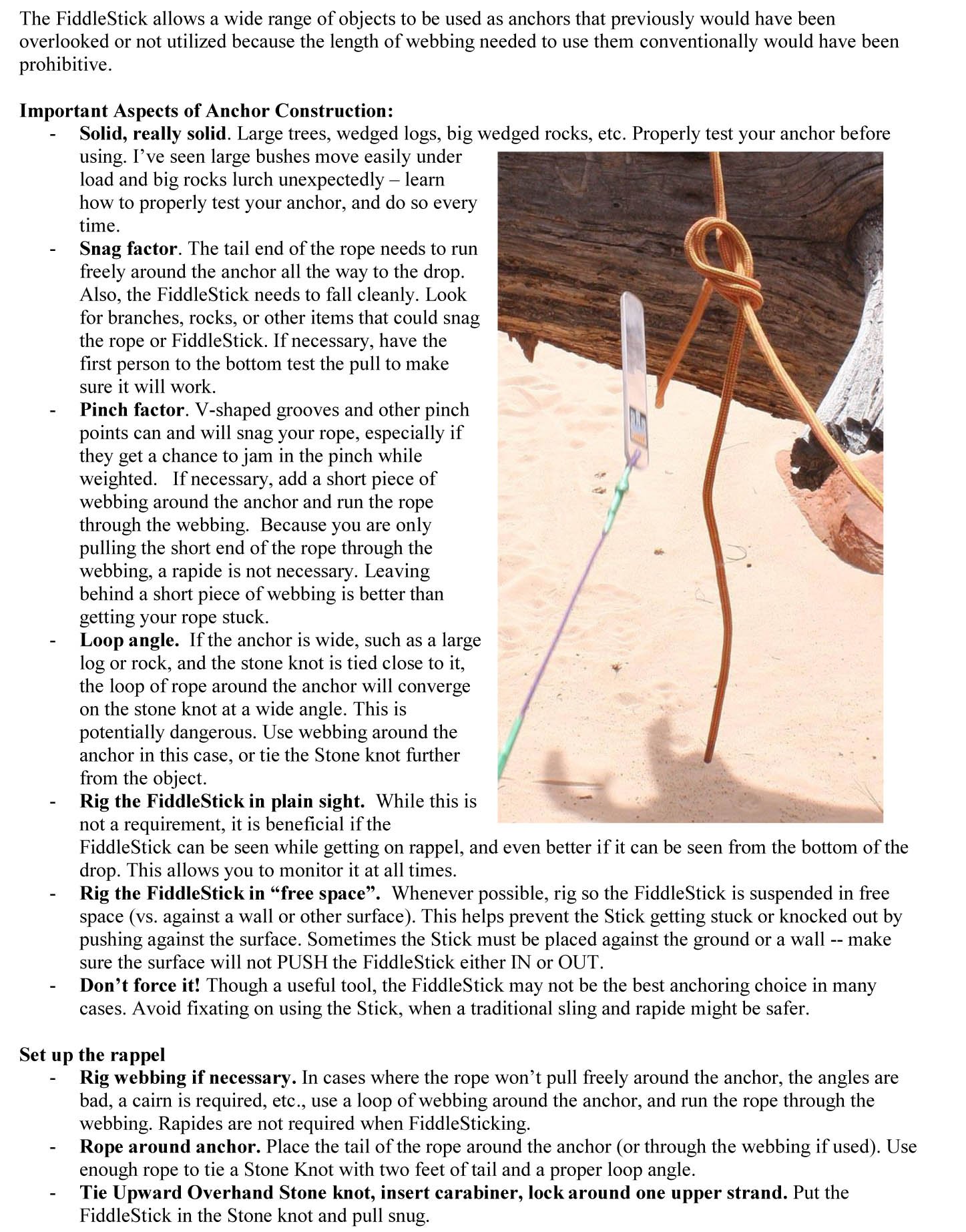
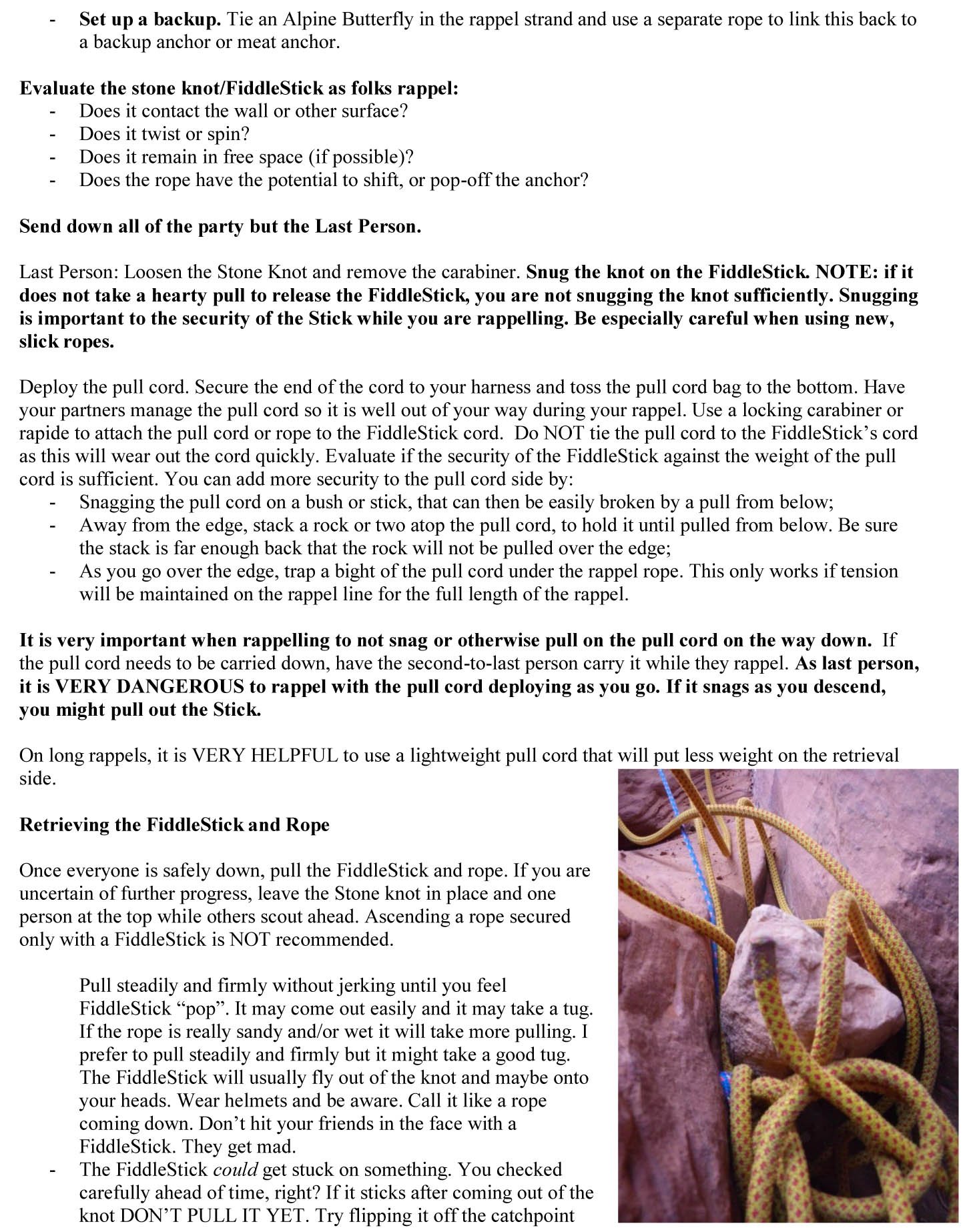
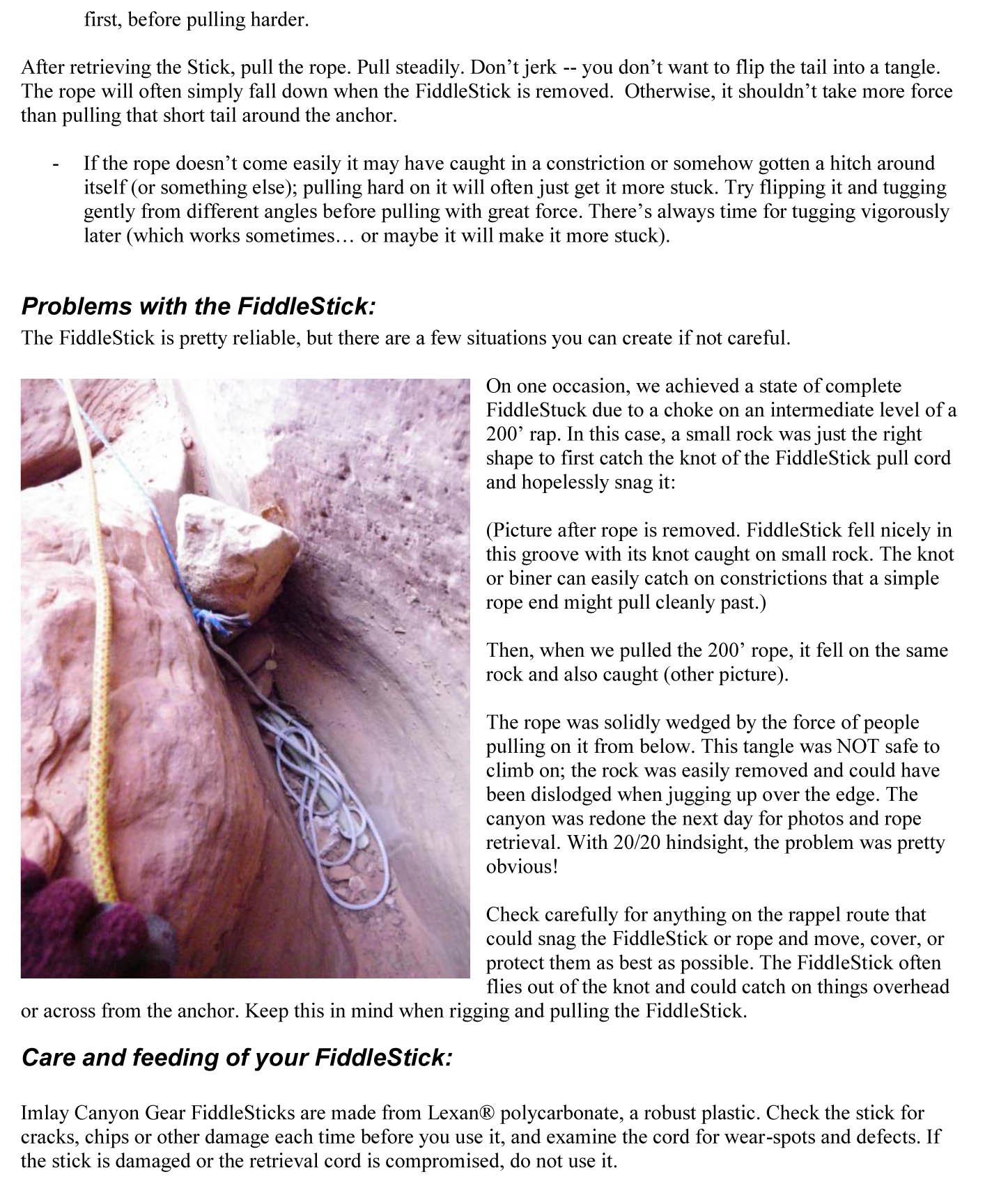

Imlay FiddleStick
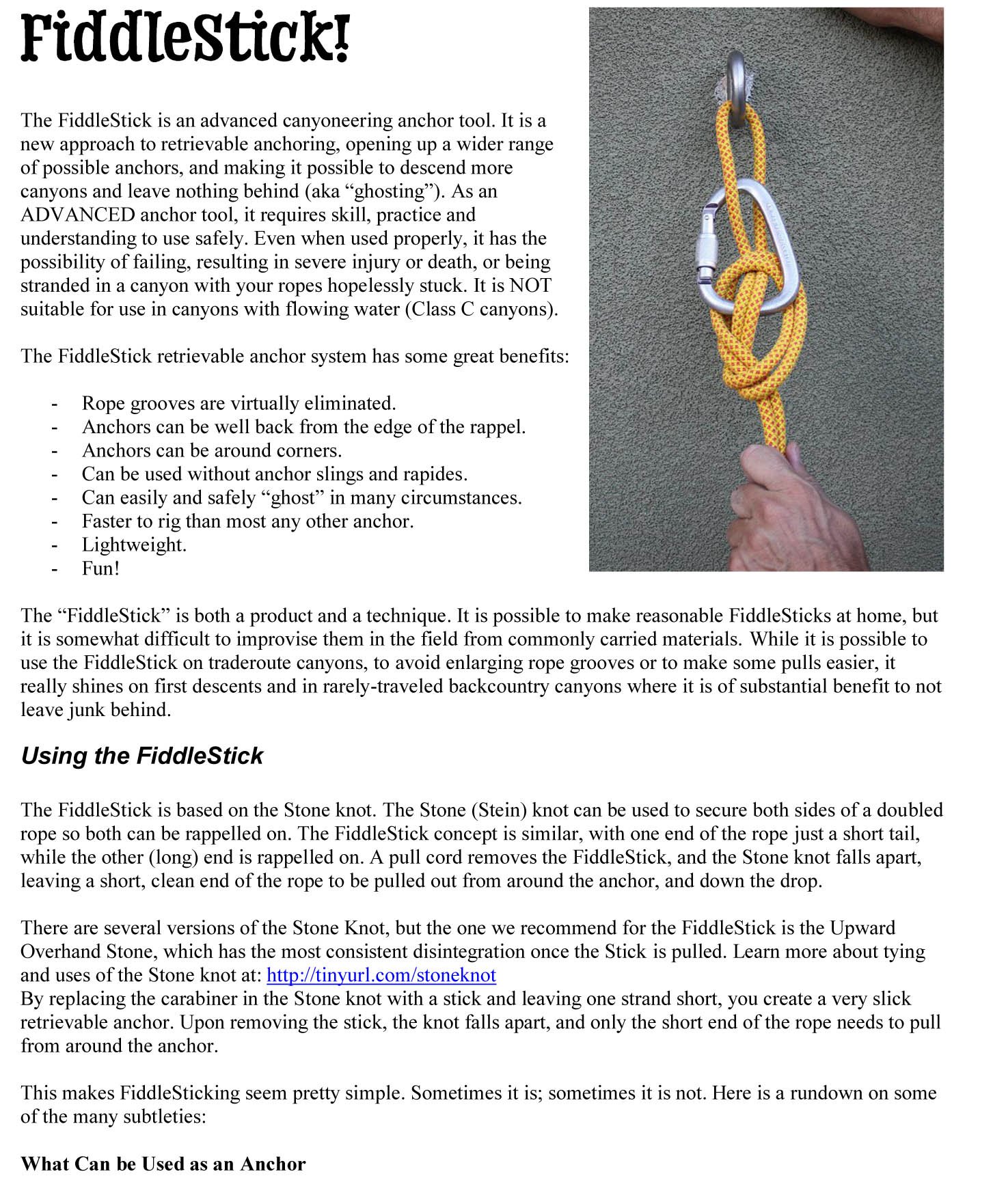
The FiddleStick is an advanced canyoneering anchor tool. It is a new approach to retrievable anchoring, opening up a wider range of possible anchors, and making it possible to descend more canyons and leave nothing behind (aka “ghosting”). As an ADVANCED anchor tool, it requires skill, practice and understanding to use safely. Even when used properly, it has the possibility of failing, resulting in severe injury or death, or being stranded in a canyon with your ropes hopelessly stuck.
I WAS selling both my FiddleStick and BluuGnome’s Smooth Operator, but now the Smoothie can only be ordered directly from Luke at BG-Gear.com
Both are generally used with an Amsteel pull string that pairs (threesomes?) with the SECO-050 rope bag.
The Fiddle Stick retrievable anchor system has some great benefits:
Rope grooves are virtually eliminated.
Anchors can be well back from the edge of the rappel.
Anchors can be around corners.
Uses little to no webbing.
Can easily and safely “ghost” in many circumstances.
Faster to rig than most any other anchor.
Lightweight.
Fun!
Useful for backcountry meals.
It is lightweight, so it can be carried ALL the time.
For more on using the FiddleStick, please see the FiddleStick How To at CUSA Tech Tips..
Weight: 2.2 ounces (57 grams)
Color: Transparent with colored cord.
Strength: Cord strength about 400 lbs. Stick folds and breaks in the Stone knot at about 1200 lbs. (Preliminary tests).
I make the FiddleStick with no holes for "Safety Backup" for several reasons. 1. Luke thought of the "Safety Backup" holes, and I appreciate the originality of it, so I decline to copy it; 2. I consider the safety backup holes to be Safety Theater and decrease the safety of the system rather than increase it. Somewhat similar to using a rappel backup autobloc; 3. putting in holes large enough for carabiners requires making the stick somewhat larger (unnecessarily); and finally 4. In design, I emphasize elegance, and eschew extraneous features; under the design principle: "eschew obfuscation".
Safety Theater: For the last person to be safe, the Toggle needs to be tested to see how it interacts with the rock surface with the motions induced by people rappelling. Most of the time, the Toggle can be placed such that it is in open air (desirable); but fairly often this is not possible. Which is when the toggle-expert should be watching as people rappel, so see if there is a potential for the rock walls pushing the toggle out, or for the rope tension breaking the toggle by bending. In the situations where this is a concern, the toggle-expert should set up a backup system that is independent of the toggle itself, so that the toggle is tested in as-close-to-final-configuration as possible.
The safety-holes with carabiners configuration changes the toggle interaction with the environment significantly, such that you are no longer getting a good test of the final configuration. This is why I consider it Safety-Theater.
If you have more than a few people rappelling from the Toggle, it is prudent to put a carabiner in that stone knot for all but the last two people. It is a good idea to loosen then re-tighten the stone knot on your toggle anyway, to prevent over-tightening of the knot around the toggle.
You may or may not buy my argument on this issue. While I think my argument is strong, it is also obscure. This only makes a difference on rare occasions... and even on those occasions, the difference might be small. My main objection is philosophical ... adding steps that do not increase safety but make you FEEL safer is a bad thing when you are practicing a sport that is inherently dangerous. If you are unable to use a standard FiddleStick "safely", then you are already in trouble because you do not understand the system, and thus you should not be using a toggle because you are unsafe using a FiddleStick or a Smooth Operator. Safety-theater does not make you safer, it makes you less-safe.
You may also consider…
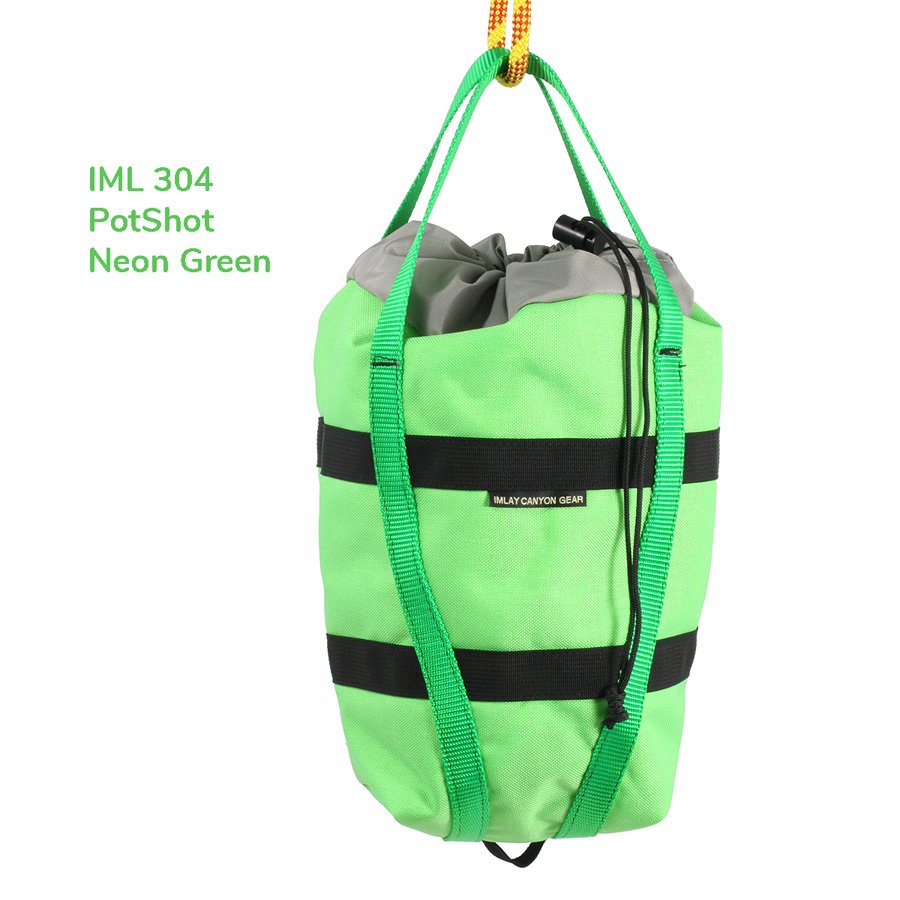
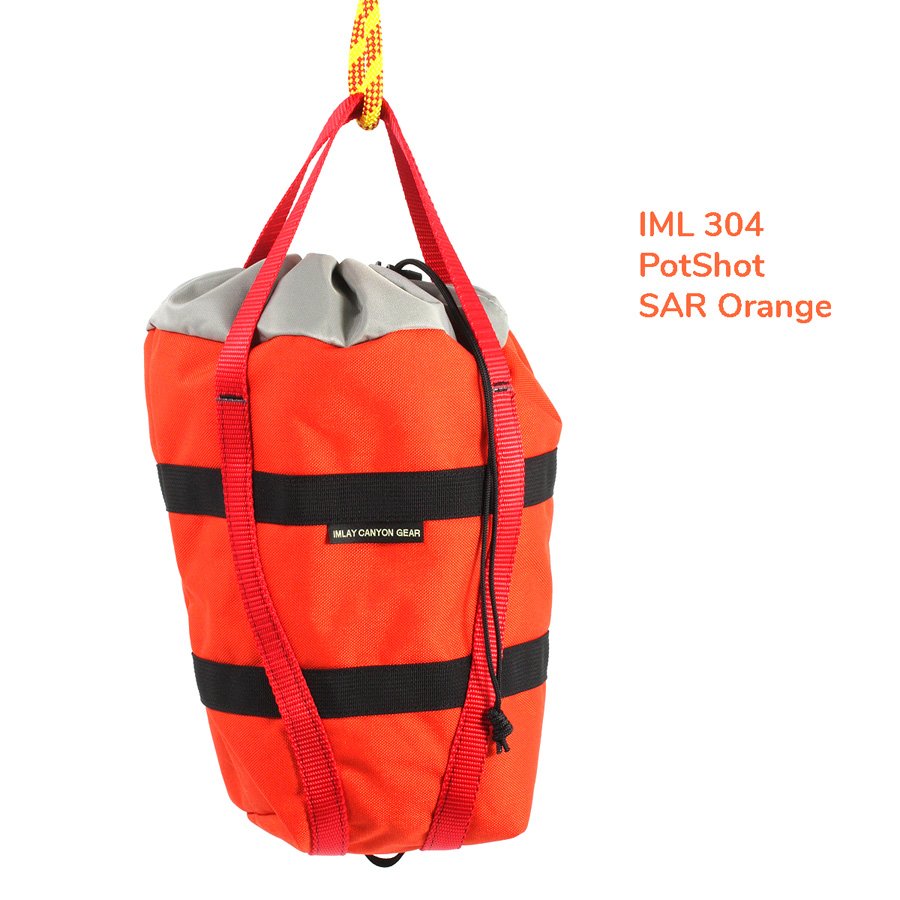
Imlay Canyon Gear PotShots can save enormous wear and tear on your partner's pack. Rather than tossing that large, awkward, expensive and fragile pack, put some sand in a PotShot, tie a rope to it, and toss it past the interesting obstacle ahead.
In many cases, it takes 2 PotShots to get out of a pothole; in some cases it can take 3 or more… the most we have heard about is 5. So far.
The PotShot makes a great storage bag for a SandTrap, and is useful for bringing sand to the SandTrap when necessary. If landing with too much energy, the PotShot seams can blow out, though we have made them much stronger than the original version, and this seems to have solved that problem. But still…

BD Alpine Aiders are a handy addition to the pothole escape kit, working well for hooking and for other methods. They can also be the best way to assist others out of a pothole. They are light and compact - much more so than "real" etriers. A lot less expensive, too. The side-to-side style of aider works better than the ladder style for pothole escapes, as a single aider can be used for both feet on non-overhanging terrain, unlike the ladder style.
And like many pieces of gear I like, it has been discontinued by Black Diamond as of S25.
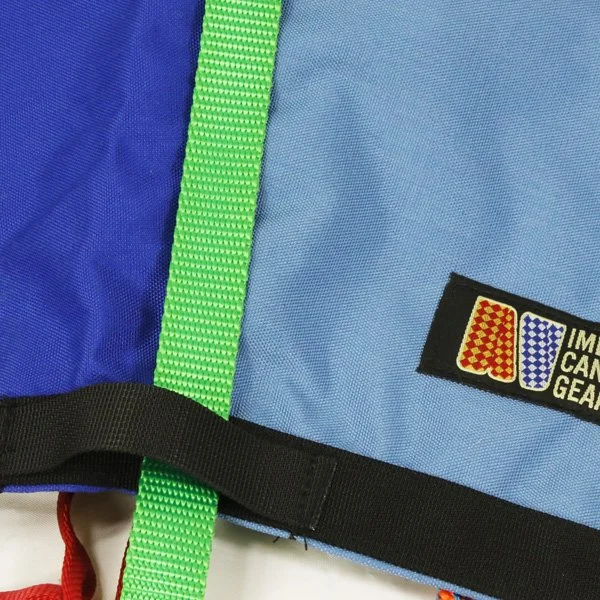
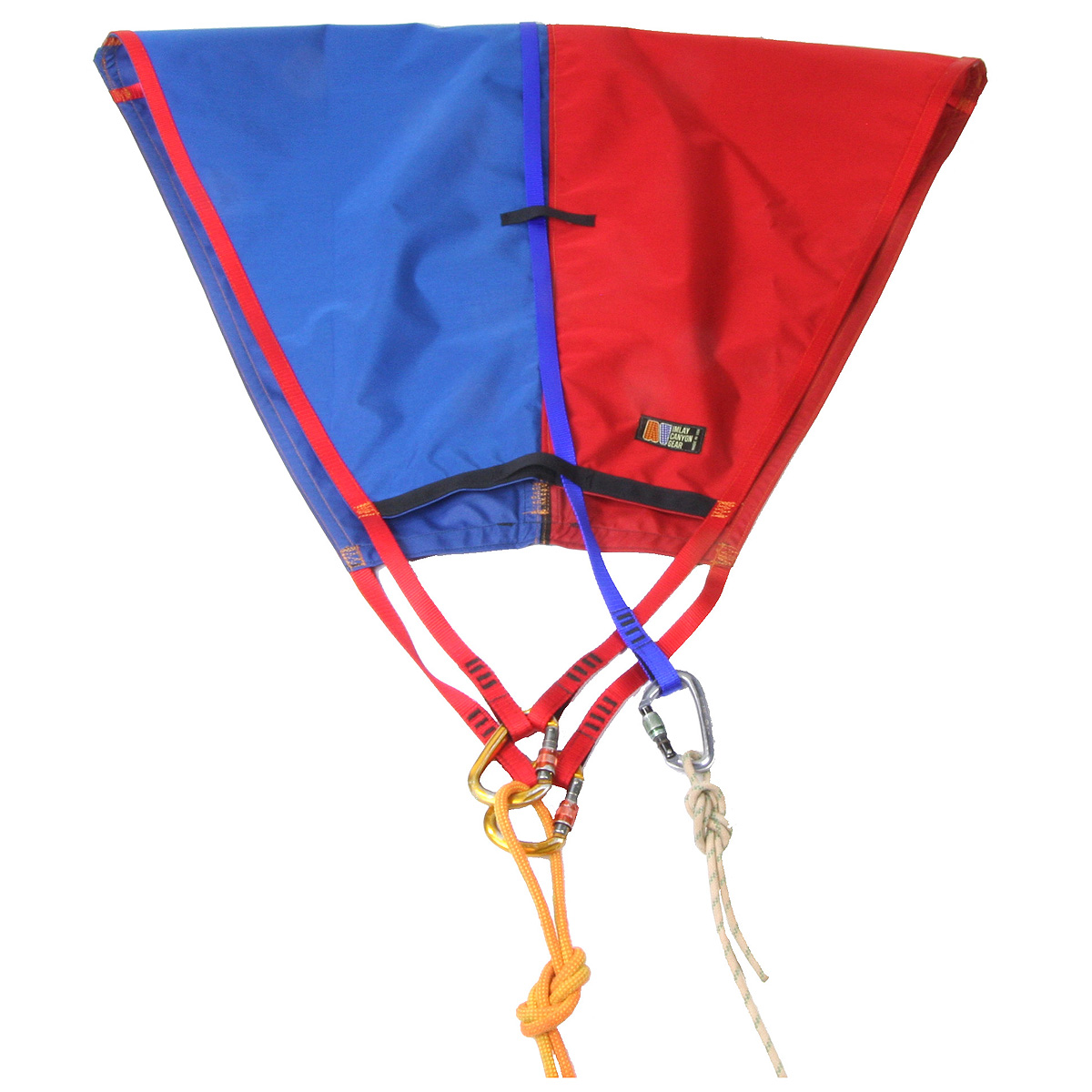
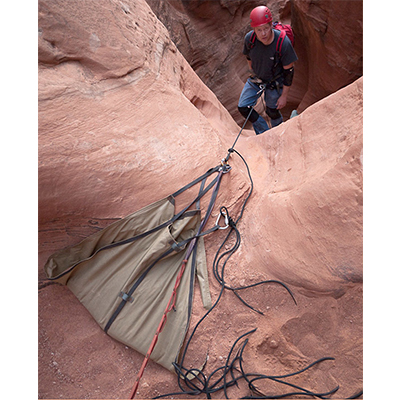
The SandTrap, invented by Steve Woodford of Springdale Utah, is an interesting device for creating a retrievable anchor any time you have sand available.
Fill it with sand, then rap off it. Pull the retrieval line to spill the sand and retrieve the Trap, leaving nothing behind other than displaced sand. Ingenious! The only problem that I see with it is that I didn't invent it!!!
9/16/2026: our rather dull Quicksand color is replaced with the new Quicksand color which is richer, more interesting, and kinda coppery. But we still call it Quicksand. Maybe Quicksand with some algae growing in it.