
Figure Eight on a Bight & Variations

FIGURE EIGHT ON A BIGHT
Among the most useful of knots for canyoneering, the Figure of Eight on a Bight produces a strong loop for clipping into ... something... anything! This can be used for securing a canyoneer near an anchor; for fixing a rope for rappelling; for lowering a pack on another line, etc. While it is shown here NEAR the end of the rope, it can be made anywhere in the rope by just taking a bight, and starting to tie...

[A]. Take a bight, and make a loop. Take a full wrap around the standing part, then...

[B]. ...plunge the bight into the loop, and tighten.
Voila! A strong, and easily inspected loop at the end of the rope.
USES:
A strong loop at the end or anywhere in a rope. Clip the Figure Eight on at Bight into an anchor, or make a clipping point on the rope for people, packs, etc.
LIMITATIONS:
In favorable conditions, the Figure Eight on a Bight works well, and can be untied after loading.
Unfavorable conditions could include: if the rope is small, wet or soft; if the knot will be loaded with a heavy load (for instance, in a rescue situation); if the knot will be loaded many times; and if the rope will be left for a considerable time period such as several days. Also, if YOU, personally, are wet, cold or cranky, you might want something that will untie more easily. Several variations to the Figure Eight on a Bight are used for easier untying.
FIGURE NINE ON A BIGHT
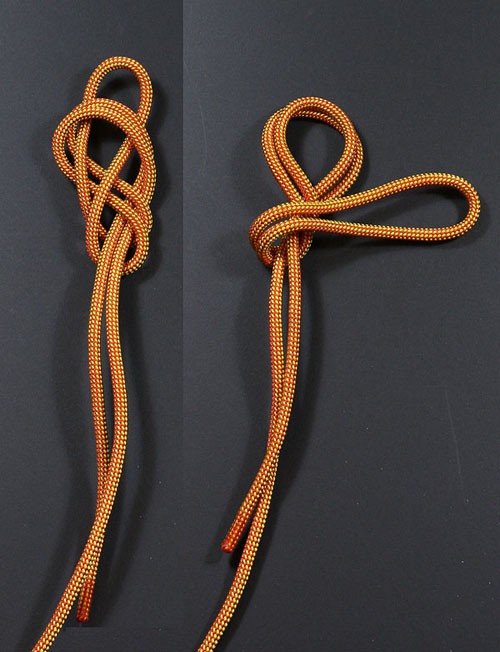
[A]. From the point of tying a Figure 8 on a Bight, withdraw the bight and take an additional half-turn around the standing part...
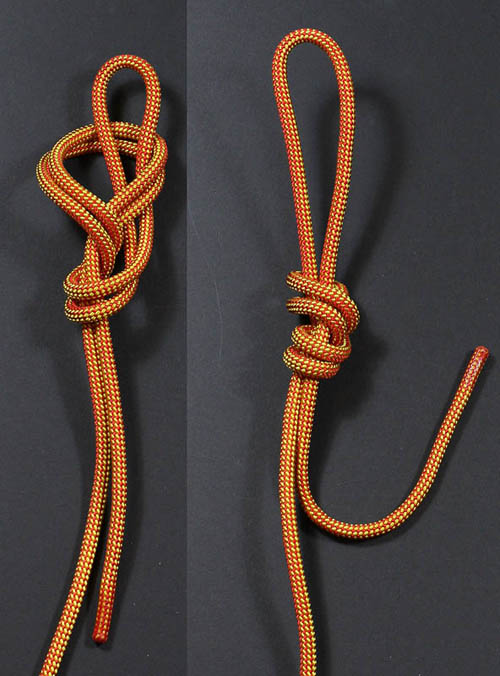
[B]. ... plunge the bight through the loop and tighten.
USES:
A strong loop at the end or anywhere in a loop; easily untied after loading. Excellent for clipping ropes to anchors.
LIMITATIONS:
Less easily inspected as it does not form as 'nice' a shape. Not as familiar to many people as a Figure Eight on a Bight.
VARIATIONS:
Add one more half-turn, and you get a "Figure-10" knot, etc. As turns are added, the knots become easier to untie, but usually the Figure-9 will be sufficiently untie-able.
"BUNNY EARS" FIGURE EIGHT ON A BIGHT
Another variation that unties easily, though it is a bit more complex to tie, is the "Bunny Ears" Figure Eight on a Bight, less colorfully known as a Double Loop Figure Eight on a Bight.

[A]. Start as for a regular Fig-8-Bight, but make sure your bight is extra long.

[B]. Place the long bight OVER the loop, and push the middles (a double-bight) through the loop.
[C]. Open the end of the bight and swing it up over and around...
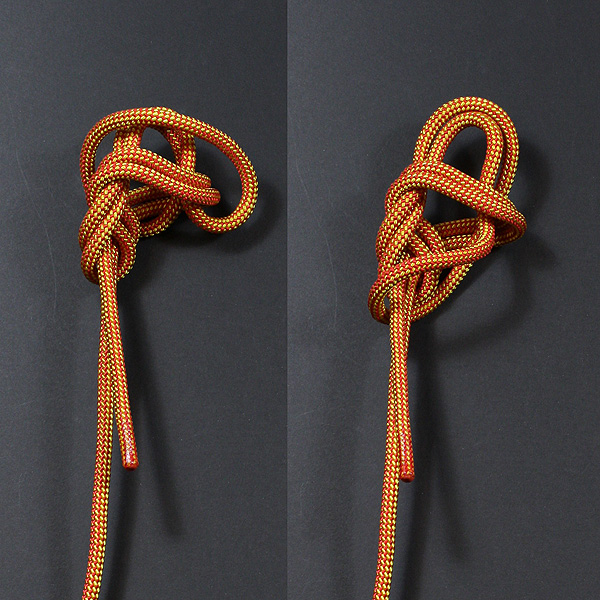
[D]. ... the entire knot.
[E]. Pull up and out on the two middles (the double-bight) and tighten.
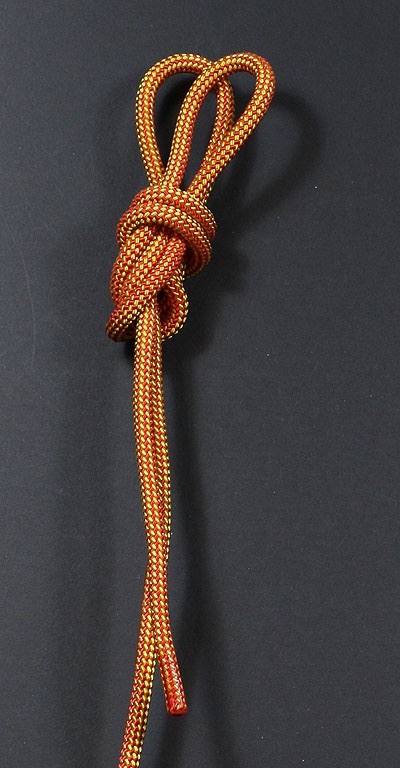
The finished knot.
Uses:
A strong loop at the end or in the middle of a rope. Easier to untie than a plain Figure Eight on a Bight.
The two loops can be used together, or can be used to clip two different anchors. The lengths of the bunny ears can be easily adjusted to achieve a rough equalization.
Clipping a single ear is discouraged, as many of the advantages of the knot are lost in this configuration. If the knot slips under load (to shorten the unclipped ear), the friction generated could melt the rope in a dangerous manner.
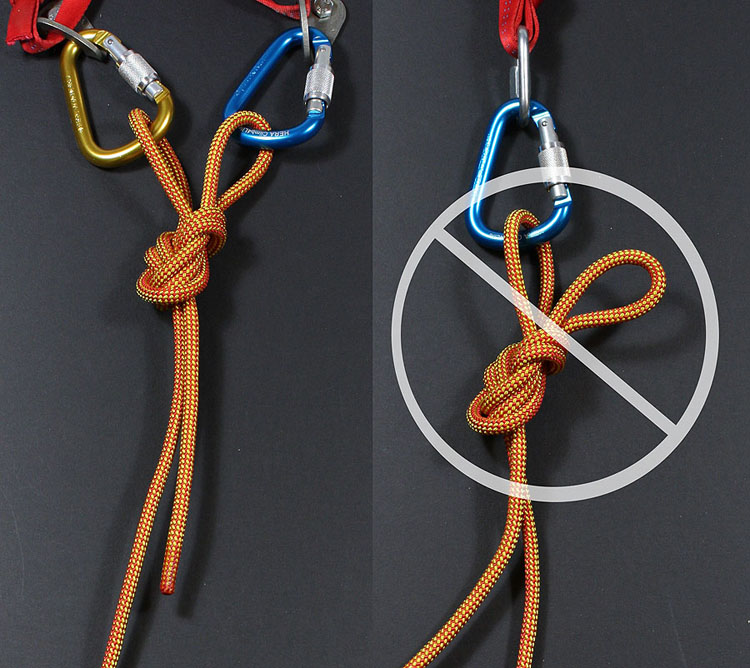
Bunny Ears No No
GALLERY


gear to get you started


A nice, large, locking belay carabiner at a very reasonable price. Keylock nose means less snagging, screwgate lock mechanism resists clogging, big size useful especially when wearing an Alpine Bod harness, or if you insist on clipping the biner through both the leg loops and waistbelt, rather than using the belay loop. (Which you should never do).
(And no, the Black is not smaller than the Grey.)
July 14, 2026: Black not available from BD until about Aug 15th.
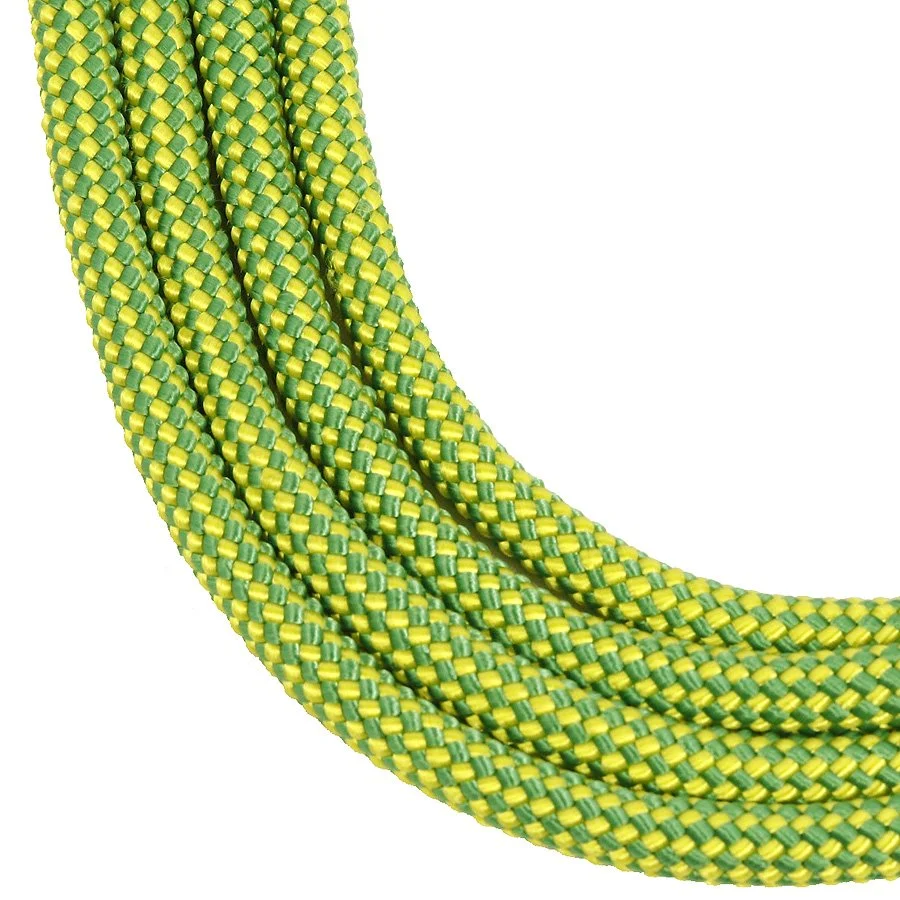
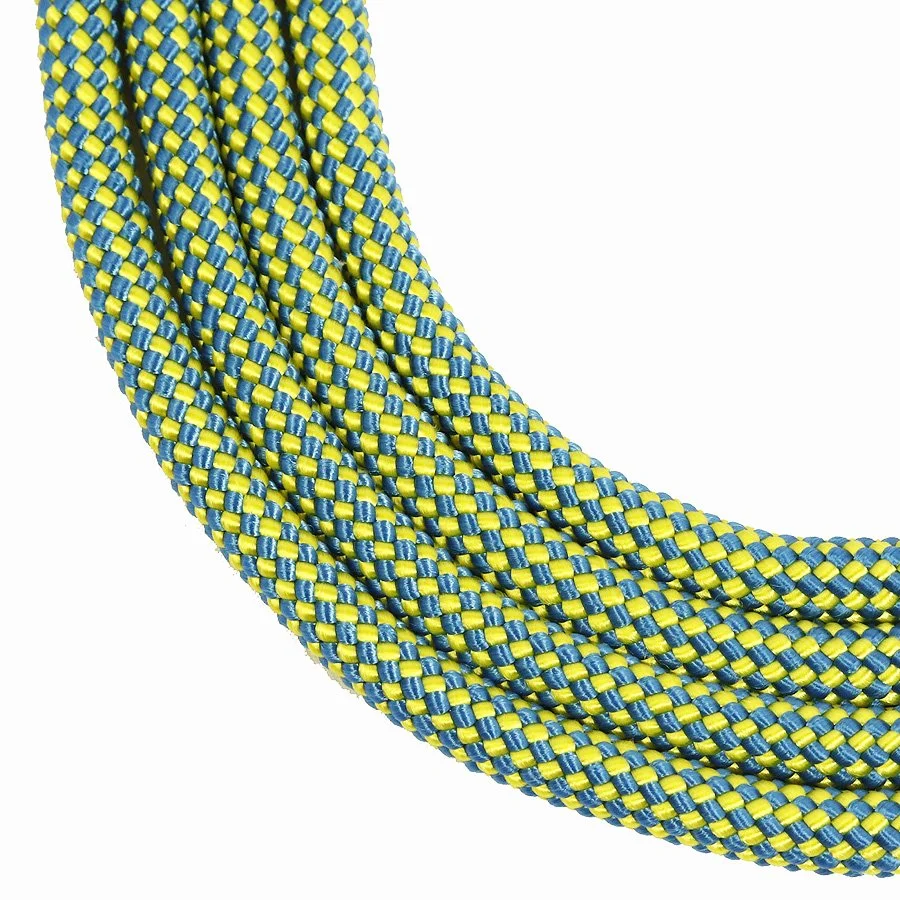
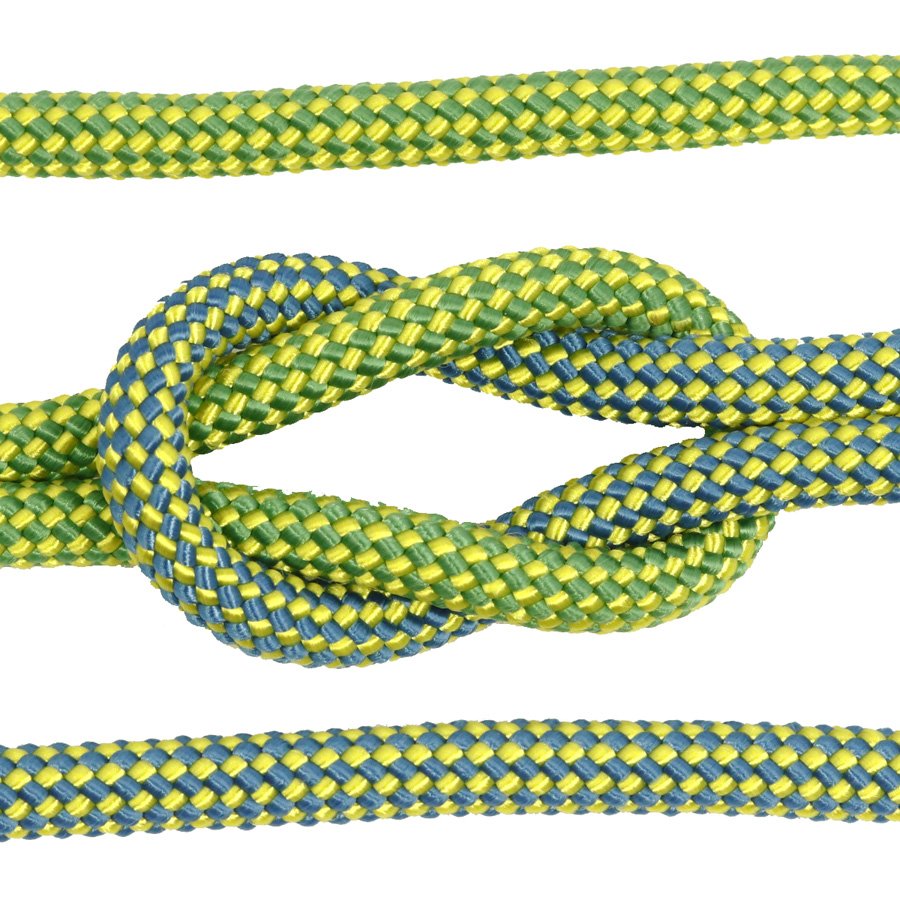
We applied the Sheath-Heavy design that worked so well for the Canyon Fire to our 9mm rope, to get a somewhat bigger, somewhat stouter and better-handling rope — Canyonero! The sheath is 52% of the rope, so there is 8% more sheath than core. It is firmly woven for longest life, and uses 100% polyester to minimize water absorption. A nice handling, long-lasting static rope that works great, especially for heavier canyoneers and for Class C canyons with harsh rock, as in Ouray, Colorado.
The Canyonero is longer lasting (than the 8mm and 8.3mm) for 10% more weight. We also gave it a few more core strands, so it has a rated strength of 5000 lb.
NEW - SHORTS - we offer 10-20 foot pieces at a low low price, leftover from our cutting of spools. No choice of length, no choice of color